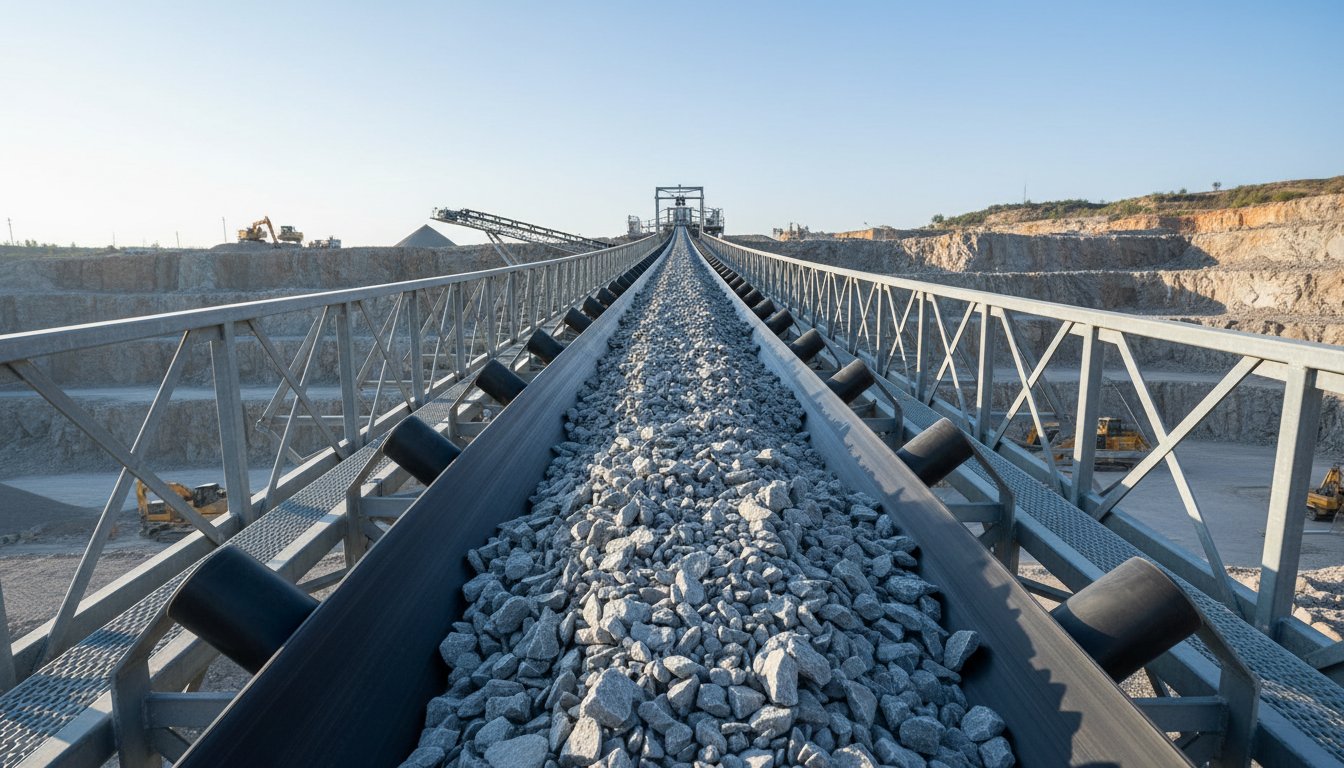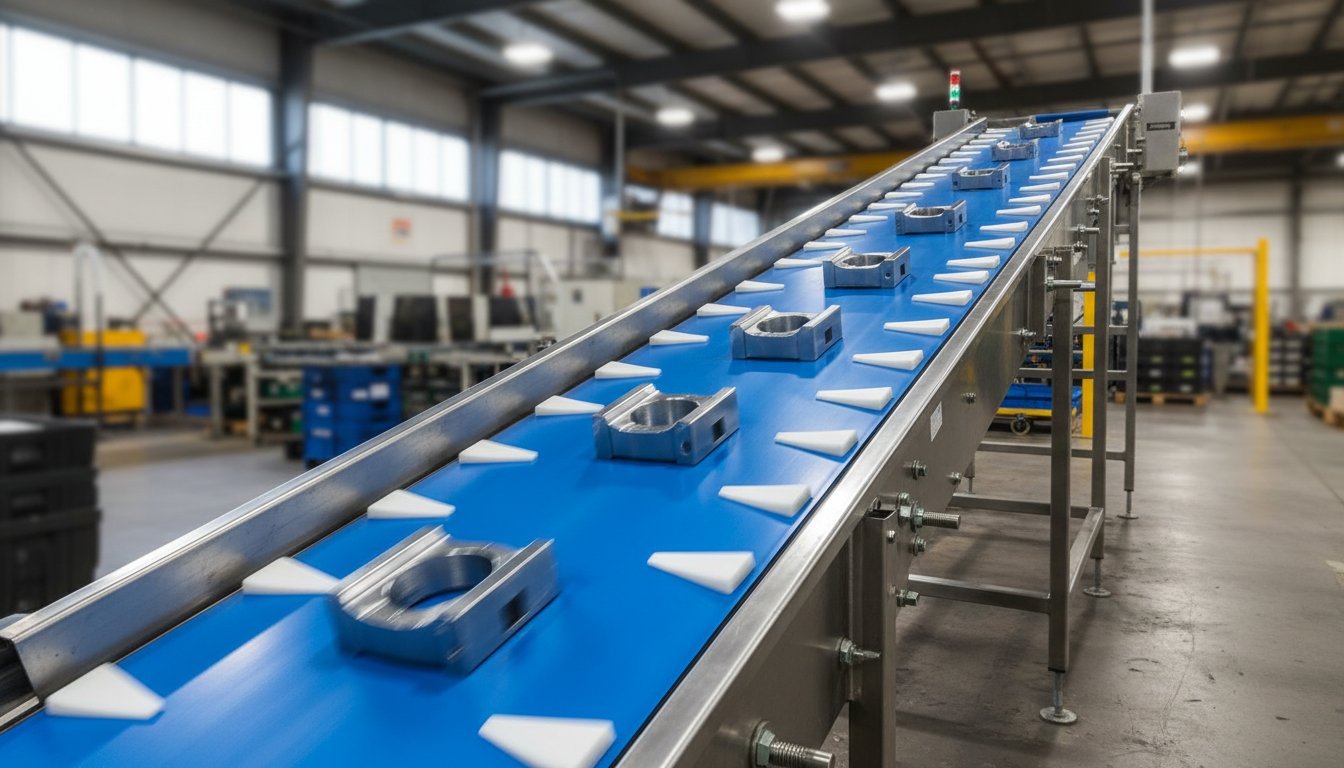
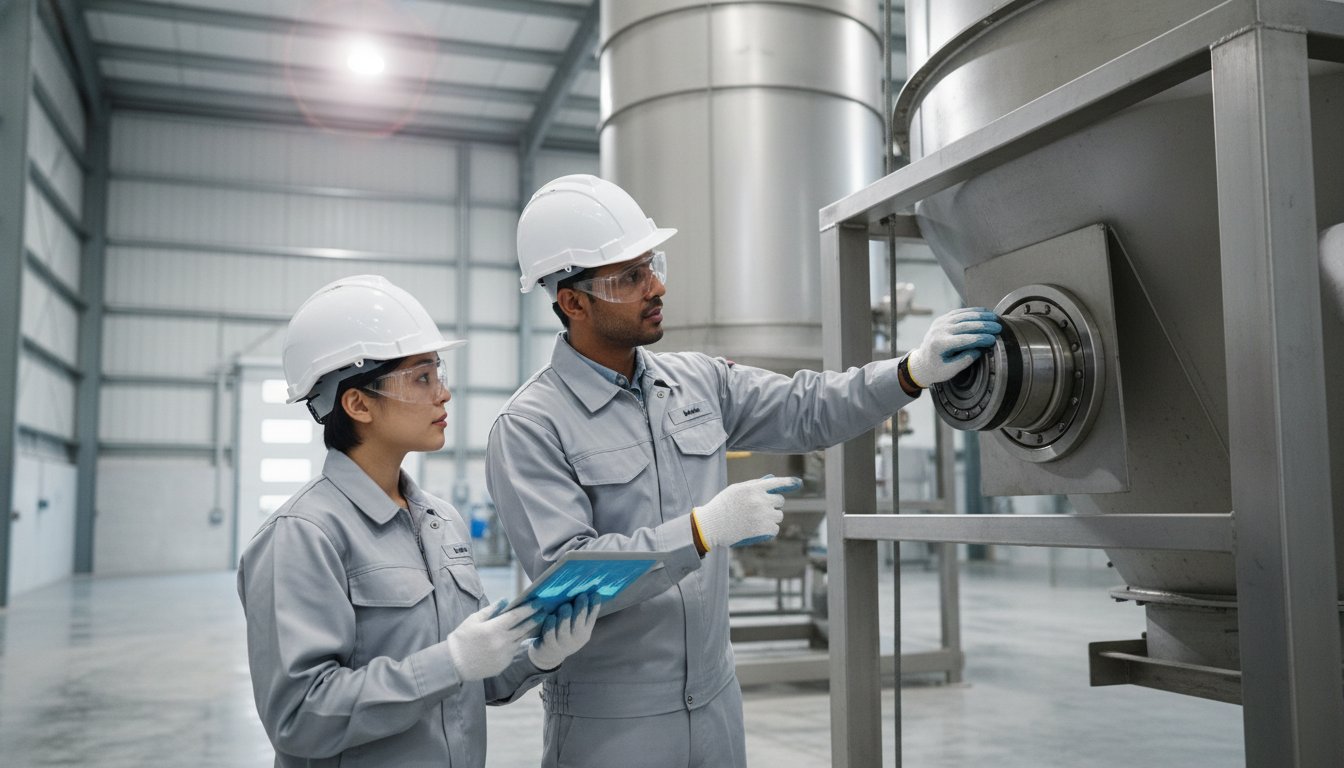
What if the motor isn't your most expensive component? It's actually the sixty minutes your line spent sitting idle this morning. Downtime often costs thousands of dollars every hour. We know the stress of finding custom-sized belts or interpreting complex regulations.
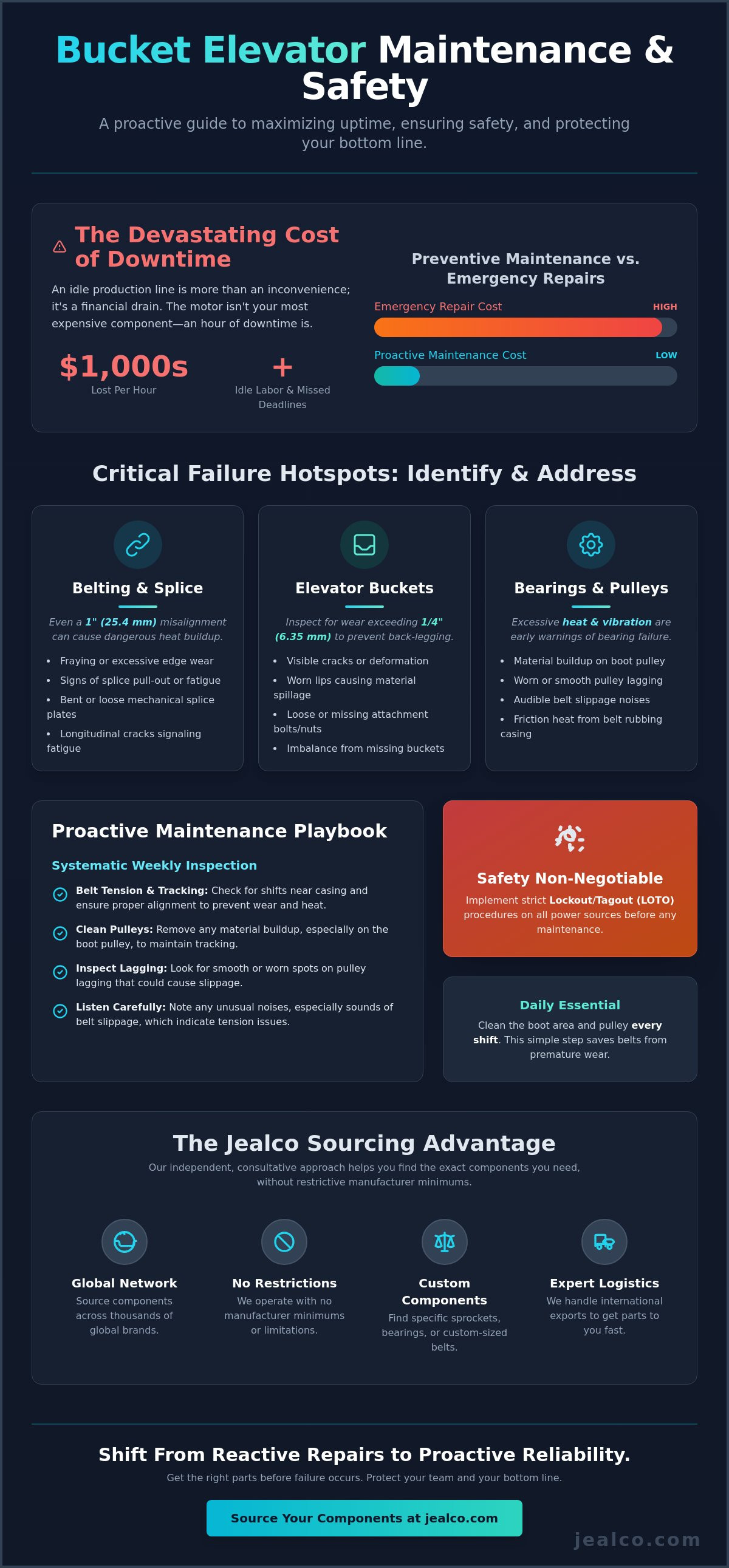
You likely believe that a mechanical breakdown is just a matter of time. We're here to change that perspective. This guide will teach you the essential bucket elevator maintenance and safety procedures needed to protect your team and your bottom line. Even a belt misaligned by 1 inch (25.4 mm) can cause dangerous heat buildup.
We'll dive into the latest ASME A17.1-2025 safety standards and explain how to source components across global markets. You'll see how our independent, consultative approach helps you find specific sprockets or bearings without restrictive manufacturer minimums. We'll also cover logistics for international exports to ensure your parts arrive quickly. Let's get your equipment running at peak efficiency.
Key Takeaways
- Learn why proactive maintenance is your primary defense against catastrophic equipment failure and costly production halts.
- Discover a systematic approach to inspecting critical components, including how to identify early signs of wear in elevator buckets.
- Master essential bucket elevator maintenance and safety procedures, such as implementing strict Lockout/Tagout (LOTO) protocols on all power sources.
- Identify predictable failure points like bearing heat and belt misalignment to address issues before they lead to an emergency.
- Understand how to leverage our global network to source custom components across thousands of brands with no manufacturer restrictions.
Why Bucket Elevator Maintenance is Your Best Safety Strategy
We see maintenance as much more than a routine chore. It's your primary defense against catastrophic failure and workplace injuries. A Bucket elevator relies on the perfect synchronization of belts, pulleys, and buckets. When one component falters, the entire system is at risk. By following established bucket elevator maintenance and safety procedures, you create a culture of reliability. Regular checks save you from the chaos of emergency shutdowns. In our experience, safety and efficiency always go hand in hand. You can't have one without the other.
The Real Cost of Equipment Downtime
Have you calculated your hourly loss during a total halt? For most mid-market industrial facilities, the cost reaches thousands of dollars every sixty minutes. This figure includes more than just lost production. You must factor in idle labor costs and the sting of missed shipping deadlines. Your reputation for reliability is on the line every time the belt stops moving. Preventive care is a strategic choice. It consistently costs less than the premium prices of emergency repairs and overnight shipping. We focus on helping you avoid these crises through a consultative approach. We find the parts you need before the failure occurs.
Boosting ROI Through Component Longevity
Proper care directly extends the life of your most expensive assets. An industrial motor or speed reducer can last years longer when it isn't struggling against a misaligned belt. We recommend checking your elevator buckets for any signs of deformation or cracks. Even a small 1/8 inch (3.175 mm) misalignment can cause excessive heat and vibration. This wear ripples through your system, damaging bearings and shaft couplings.
We help you find parts that actually endure. Because Jealco is an independent distributor, we aren't tied to a single manufacturer. We source across thousands of global brands to find the exact fit for your custom setup. We don't have corporate account minimums, which allows us to be flexible and fast. Whether you need a specific sprocket or a custom-sized belt, we'll find it for you. This flexibility ensures your equipment runs longer and your return on investment stays high. Maintaining your equipment isn't just a safety protocol. It's a smart financial strategy for your business.
Essential Inspection Points for Elevator Components
We recommend a systematic approach. Don't leave your safety to chance. Effective bucket elevator maintenance and safety procedures require documentation. Following OSHA safety standards for bucket elevators is vital. It protects your team from accidents. It also prevents sudden production halts.
Monitor your system weekly. We suggest this checklist:
- Check belt tension and tracking.
- Look for shifts near the casing.
- Clean pulleys of material buildup.
- Inspect lagging for smooth spots.
- Listen for belt slippage noises.
If the belt rubs the casing, it creates heat. This friction is a major fire risk. Keep the boot pulley clean of debris. Buildup on the boot pulley is common. It forces the belt to track sideways. This leads to rapid edge wear. Clean the boot area every shift. We find this simple step saves belts.
Jealco International, Inc. provides custom rollers and pulleys. These parts help maintain proper tracking. Mastering bucket elevator maintenance and safety procedures protects your bottom line.
Elevator Buckets and Attachment Hardware
Inspect your elevator buckets for cracks. Look for wear exceeding 1/4 inch (6.35 mm). A worn lip causes "back-legging" issues. This means material falls back down the shaft. Check these hardware points:
- Tighten bolts to torque specs.
- Replace missing buckets immediately.
- Watch for lip deformation.
- Check for loose attachment nuts.
Missing buckets cause weight imbalances. This strains your motor and bearings. Jealco International, Inc. sources custom bucket sizes fast.
Belting and Splice Integrity
Most failures start at the splice. Catch them early. We offer heavy-duty conveyor belting for tough jobs. Longitudinal cracks signal belt fatigue. Look for these warning signs:
- Fraying or edge wear.
- Signs of splice pull-out.
- Bent mechanical splice plates.
- Loose splice bolts or pins.
Jealco International, Inc. finds the right belt. We source across thousands of global brands. Need help identifying a part? Contact us today for expert advice. We handle the logistics for you.
Step-by-Step Safety Protocols and Lockout Procedures
Safety starts before you touch the machine. We prioritize bucket elevator maintenance and safety procedures. It protects your team. It keeps your line moving. Never bypass a safety guard. These rules save lives.
Implementing Effective LOTO Standards
Follow these steps for every repair:
- Identify all energy sources.
- Include electrical and pneumatic power.
- Account for stored gravity energy.
- Use your own dedicated lock.
- Verify the machine is dead.
A loaded belt can back-run. This happens if anti-backstops fail. Always secure the belt physically. This prevents vertical movement during work. Jealco International, Inc. provides the right hardware to stay safe.
Safe Clearing of Material Jams
Never use your hands to clear a boot. It's a high-risk move. Use tools to reach internal areas. We offer Ampco safety tools for these tasks. They are non-sparking and durable. Follow these jam-clearing steps:
- Ensure the belt is slack.
- Use long-handled scrapers or shovels.
- Clear the discharge path completely.
- Stand away from moving parts.
Tension can hide stored energy. If a jam breaks, the belt lurches. A belt under tension can move 2-4 inches (5-10 cm) without warning. This movement can crush limbs instantly. We help mid-market facilities stay compliant. Jealco International, Inc. sources custom safety components fast. We handle all international export logistics. Our team manages the complex documentation. You get the parts without delays.
Common Failure Points: Belts, Buckets, and Bearings
Failure isn't random. It follows a path. We help you identify the signals. Proper bucket elevator maintenance and safety procedures catch these early. Heat and misalignment are the primary culprits. They destroy parts slowly before a total snap.
Bearing Maintenance and Lubrication
Heat destroys bearing races. We recommend regular temperature checks. Use an IR thermometer for accuracy. Follow these lubrication rules:
- Target temperatures below 180°F (82°C).
- Use grease rated for your RPM.
- Never over-fill the bearing housing.
- Stop if you see blown seals.
Over-greasing causes internal pressure. This blows out the seal. Then, dust enters the race. Jealco International, Inc. sources custom bearings fast. We find the right fit for any shaft.
Drive System and Motor Health
The drive is the heart of your machine. Inspect your electric motors weekly. Watch for these common drive issues:
- V-belt deflection of 1/2 inch (12.7 mm).
- Glazed or cracked drive belts.
- Unusual humming or grinding sounds.
- Loose or vibrating shaft couplings.
Loose belts slip and create heat. Too much tension ruins motor bearings. Jealco International, Inc. finds the exact gearmotor you need. We source across thousands of global brands. Contact us for a custom drive solution today. We handle the logistics for you.
Sourcing Custom Components with Jealco International, Inc.’s Global Expertise
Finding the right replacement part is often the biggest bottleneck in your maintenance schedule. You've identified the wear on your buckets or the heat in your bearings, but now you're stuck waiting for an OEM that doesn't prioritize your order. At Jealco International, Inc., we act as your consultative partner rather than just another parts warehouse. We understand that effective bucket elevator maintenance and safety procedures require a steady stream of reliable, high-quality components.
Our team isn't tied to any single manufacturer. This independence gives us the freedom to source across thousands of global brands without the usual territory restrictions. If your system requires a specific speed reducer or a non-standard belt, we'll track it down. We focus on the functional needs of your machinery, not the sales quotas of a specific manufacturer.
Navigating International Export Logistics
We specialize in moving critical components through the complex web of global trade. Shipping a heavy industrial motor or a crate of sprockets across borders involves more than just a shipping label. We handle all the duties, tariffs, and customs documentation required for international exports. Our expertise ensures your parts don't get stuck in a port while your production line sits idle.
Our logistics network reaches manufacturing hubs worldwide. We've been perfecting this process since 1950, giving us a deep understanding of global shipping routes and documentation requirements. This experience allows us to provide faster delivery times than many large national distributors. We manage the paperwork so you can focus on your facility's operational success.
Custom Sourcing for Mid-Market Facilities
We built our reputation by helping mid-market facilities that the large corporate accounts often ignore. You don't need to meet massive order minimums to get our best service. We offer the flexibility to source "hard-to-find" items, from specialized elevator buckets to custom sprockets. If a 12-inch (304.8 mm) sprocket is what your system needs, we'll find it for you.
This consultative approach is what sets us apart from standard suppliers. We don't just take orders; we help you find the best solution for your specific environment. Whether you're dealing with abrasive materials or high-heat conditions, we'll match you with a component that lasts. Contact Jealco today for a custom part quote and let us simplify your supply chain.
Take Action to Protect Your Operation
Reliability isn't a happy accident. It's the result of consistent effort and high-quality components. By mastering bucket elevator maintenance and safety procedures, you've taken the first step toward a safer, more profitable facility. Remember to check your belt alignment weekly and never bypass a lockout protocol. Small adjustments today prevent the thousands of dollars lost during a sudden shutdown tomorrow.
We've helped mid-market industrial leaders navigate these challenges since 1950. Our team specializes in international export logistics and complex customs documentation. We provide access to thousands of global brands with no manufacturer restrictions. This independence means we find the exact gearmotor or custom bucket your system requires. We don't have corporate account minimums, so we can act fast when you're in a bind.
Don't let a hard-to-find part stall your production line. We offer the flexibility and technical expertise to keep your equipment running at peak efficiency. Let Jealco find the exact parts you need today. We're ready to support your long-term success with robust, custom solutions.
Frequently Asked Questions
How often should I inspect my bucket elevator?
Visual inspections should happen every single day. You should check belt tracking and tension at least once a week to prevent friction against the casing. A deeper monthly audit of your bucket elevator maintenance and safety procedures ensures that buckets and splices remain secure. Consistent monitoring prevents small issues from becoming expensive emergency shutdowns.
What are the signs of a failing elevator bucket?
Look for thinning front lips or cracks around the bolt holes. If the leading edge is worn more than 1/4 inch (6.35 mm), the bucket won't scoop or discharge properly. Deformation or bowing also indicates the bucket is overloaded or hitting a jam. Replace these immediately to maintain system balance and prevent motor strain.
Can I use any belt for my bucket elevator system?
No, you must use belting specifically designed for elevator service. Standard conveyor belts often lack the longitudinal strength required for vertical lift. We provide heavy-duty belting that handles the high tension and bolt-holding requirements of a loaded elevator. Choosing the wrong material leads to premature stretching and catastrophic failure.
What is the most common safety hazard with bucket elevators?
Dust explosions and friction-related fires are the most dangerous hazards in these systems. When a belt tracks improperly and rubs against the casing, it generates intense heat. This heat can ignite grain dust or chemical particles instantly. Proper bucket elevator maintenance and safety procedures, including motion sensors and alignment monitors, are your best defense.
How do I calculate the correct tension for an elevator belt?
Correct tension is achieved when the belt doesn't slip on the head pulley under a full load. Avoid over-tightening, as this destroys your shaft bearings and motor. We recommend a stretch measurement based on the belt manufacturer's specific data. If you see more than 2% stretch, your belt might be reaching its fatigue limit.
What should I do if my bucket elevator is vibrating excessively?
Stop the machine and perform a full lockout before inspecting for mechanical imbalances. Excessive vibration usually means a bucket has detached or a bearing has failed. Check the drive assembly for loose sprockets or worn-out shaft couplings. We help you source replacement parts across thousands of brands to fix these issues fast.
How does Jealco help with international shipping of parts?
We handle every step of the export process, including duties and complex customs paperwork. Our team has deep expertise in international shipping to global manufacturing hubs. Because we are independent, we source parts from any manufacturer and deliver them directly to you. This removes the stress of navigating complex trade regulations alone.
Are there specific safety tools I should use for maintenance?
Always use non-sparking tools in environments with combustible dust. We also recommend using IR thermometers to catch bearing heat before a fire starts. High-quality LOTO locks are essential for every team member during a shutdown. These tools, combined with strict protocols, ensure your maintenance window doesn't turn into a safety incident.