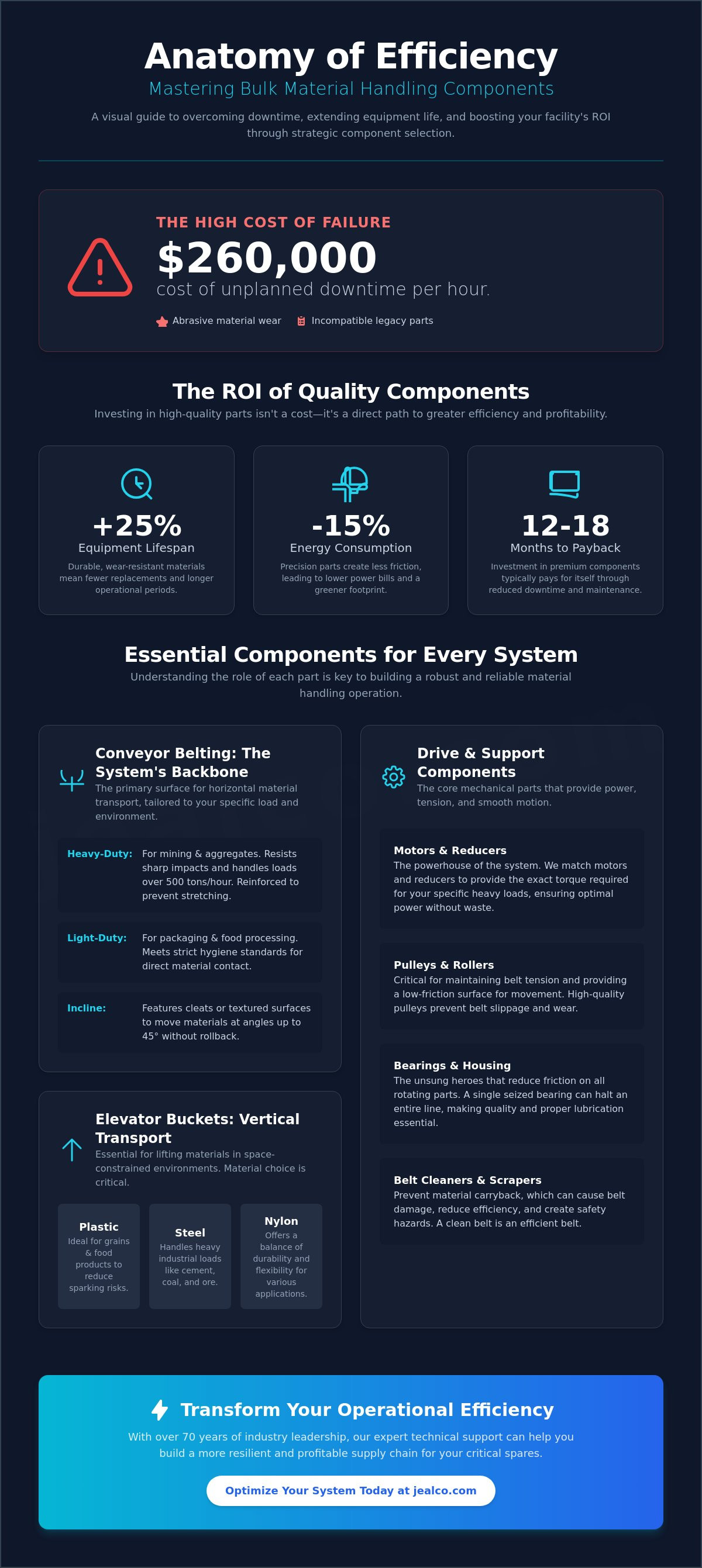
Did you know unplanned downtime costs plants $260,000 per hour according to 2022 industry reports? We understand that a single seized bearing can halt your entire production line. It's frustrating when abrasive materials wear down your bulk material handling components faster than expected.
You likely feel the daily pressure of sourcing compatible parts for older systems. We've seen how these small technical failures lead to massive losses in efficiency. You deserve a system that works as hard as you do.
This guide will show you how to select and maintain the critical parts that keep systems running. We'll share strategies to extend your equipment's lifespan by 25% or more. You'll also learn how to build a reliable supply chain for your critical spares.
We'll walk through the technical details of wear-resistant materials and smart maintenance schedules. Our team's deep expertise in industrial processes ensures you get the most robust solutions. Let's ensure your facility reaches peak performance by 2026.
Key Takeaways
- Identify the essential parts that keep dry materials moving smoothly through your facility.
- Learn how to choose high-quality bulk material handling components that match your specific material's weight and abrasiveness.
- Master the relationship between motors and reducers to provide the exact torque your heavy loads require.
- Discover maintenance strategies for conveyor belting to eliminate unexpected downtime and extend equipment life.
- See how expert technical support from a 70-year industry leader can transform your operational efficiency.
What are Bulk Material Handling Components?
We define these components as parts that move dry, loose materials. These materials include grains, coal, sand, and chemicals. You'll find these parts in every stage of your production line. We see these parts as the heart of your industrial operation. They handle everything from 50 lb (22.6 kg) bags to tons of raw ore.
To get a better grasp of the industry, What is Bulk Material Handling? provides a great starting point. Your facility relies on these individual pieces to maintain a steady flow. Bulk material handling components range from the heavy-duty belt itself to the electric motors driving it. We understand that even one small failure can stop your entire process. That's why we emphasize the importance of every gear and sprocket.
Common components include:
- Belt cleaners and scrapers.
- Impact beds and cradles.
- Elevator buckets for vertical lifts.
- Bearings and housing units.
The Difference Between Systems and Components
A system is the entire machine. For example, a belt conveyor is a complete system. Components are the replaceable parts like rollers, pulleys, or bearings. We focus on components to help you avoid full system replacements. This approach is much more cost-effective for your business.
Replacing a single pulley is much faster than swapping a whole machine. This keeps your 36 inch (914 mm) wide belts moving without massive costs. Our goal is to extend the life of your existing machinery. We use our technical expertise to ensure your facility stays operational 24/7. This focus on individual parts prevents small issues from becoming total failures.
Why Component Quality Dictates Your ROI
Cheap parts lead to frequent, costly downtime. We've seen that high-quality bulk material handling components reduce energy consumption by 15% or more. This happens because precision parts create less friction. We prioritize durability to save you money over time. High-quality parts also require less frequent maintenance visits.
A motor that runs cooler lasts years longer. We only recommend parts that meet strict industrial standards. Investing in premium components usually pays for itself within 12 to 18 months. You'll see fewer breakdowns and lower power bills every month. Our team focuses on long-term reliability rather than just the lowest initial price.
Do you need to improve your facility's efficiency? Visit us at https://www.jealco.com to see our full range of solutions.
Essential Components for Every Bulk Handling System
We categorize bulk material handling components by their specific role in the moving process. Every system relies on a hierarchy of hardware designed to work together. We focus on durability to ensure your operation never stops. These parts fall into three main categories.
- Surface: Belting carries the actual weight of the material.
- Vertical: Buckets lift products in tight, confined spaces.
- Support: Pulleys and rollers provide the necessary tension.
We offer specialized solutions for every material type. Whether you move fine powders or heavy ores, we have the right fit. Our team ensures that each component integrates perfectly with your existing setup.
Conveyor Belting: The Systems Backbone
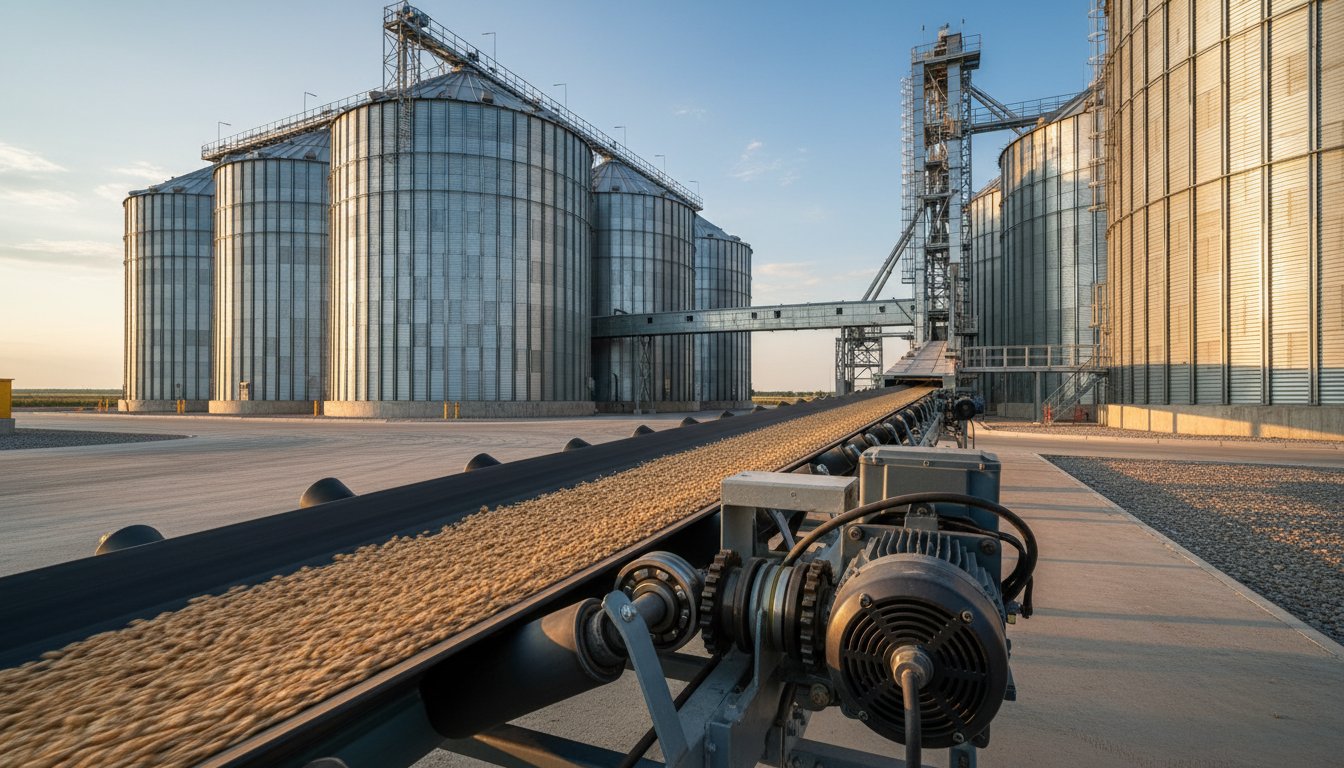
Conveyor belting is the primary surface for material transport. We provide heavy-duty conveyor belting for mining and aggregates. These belts handle loads exceeding 500 tons per hour. They resist sharp impacts and high-abrasion environments. We use reinforced layers to prevent stretching over long distances.
For different needs, we offer light-duty conveyor belting options. These work best for packaging and food processing plants. They meet strict hygiene standards for direct contact. If you face steep elevation changes, we recommend incline conveyor belting. These belts feature cleats or textures to move items at angles up to 45 degrees without rollback.
Elevator Buckets and Pulleys
Elevator buckets move materials vertically when floor space is limited. We supply elevator buckets in plastic, steel, and nylon. Plastic buckets work well for grains to reduce sparking. Steel buckets handle heavy industrial loads like cement or coal. We match the bucket material to your specific temperature and abrasion requirements.
Pulleys and rollers provide the support your system needs. Pulleys must be balanced to prevent belt mistracking. An unbalanced pulley can cause 15% more wear on your belt edges. We use rollers with diameters ranging from 2 inches to 7 inches (50mm to 178mm). These rollers maintain the belt profile under heavy loads.
We ensure all parts meet strict industrial tolerances of 0.005 inches. Safety is our top priority during the design phase. We follow essential safety standards for dust control in every component we select. This reduces the risk of combustible dust hazards in your facility. If you need help choosing the right parts, you can view our full catalog to see our specialized inventory.
Comparing Drive Components: Motors and Reducers
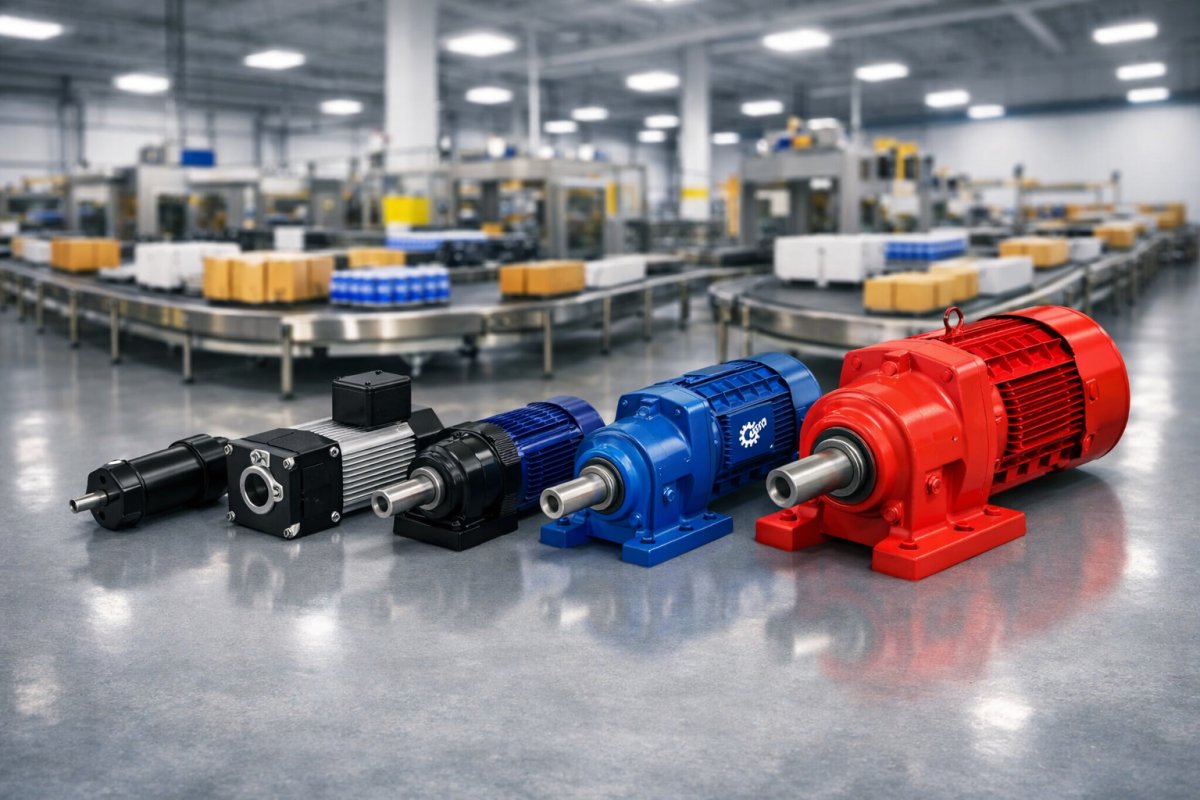
Drive components provide the raw torque required to move heavy loads. We analyze how motors and gearboxes interact to ensure peak performance. These bulk material handling components must work in perfect harmony. If they don't; your system will face constant downtime. We focus on creating a balance between power and control.
Proper sizing is our first priority. We've seen that incorrect sizing leads to motor burnout. It also causes massive energy waste. A motor running at only 50% load loses significant efficiency. We aim for a 95% efficiency rating in every setup. This saves on long term operational costs.
We help you avoid the common trap of over-specifying. Many operators buy more power than they need. This results in higher utility bills and heat buildup. We use precise calculations to match the motor to your specific load. This ensures your system runs cool and stays reliable.
AC vs. DC Industrial Motors
AC motors are the standard for most bulk handling. They are durable and require very little maintenance. We find they handle 85% of standard conveyor tasks easily. They thrive in the harsh, dusty environments common in our industry. We stock a wide range of electric motors for these specific conditions.
DC motors offer superior speed control. We recommend them for precise sortation or dosing tasks. They allow for smooth acceleration and deceleration. This precision prevents product damage during high speed moves. You get better control over your throughput rates with DC power. It's the best choice for variable speed applications.
The Role of Speed Reducers and Couplings
Speed reducers are essential for torque management. They adjust motor speed to the required conveyor pace. Most industrial motors run at 1750 RPM. Your conveyor may only need 60 RPM. We recommend high quality gearing products for these high torque applications. They convert high speed into the force needed to move tons of material.
We also focus on mechanical protection. Specialized shaft couplings protect your motor from shock loads. These components act as a mechanical buffer. They absorb up to 30% of the impact during sudden stops or jams. This prevents expensive shaft breakage and extends equipment life significantly.
Choosing the right drive setup saves you money. It reduces your monthly energy bills. It also cuts down on emergency repairs. We provide the technical expertise to guide your choice. Contact us to optimize your drive system today. Our team is ready to help you select the perfect components.
Do you want to improve your system efficiency? Visit Jealco for more expert advice and high performance components.
How to Choose the Right Components for Your Material
We match every component to your specific product. Choosing the wrong material leads to premature failure. Abrasive materials like gravel or ore require hardened steel. We also use reinforced rubber for these heavy applications. For processes requiring precise material separation, Compass Wire Cloth Corporation provides durable industrial screening solutions like vibratory and aggregate screens. Corrosive chemicals demand stainless steel or specialized PVC. We evaluate lump size in both inches and mm. For example, a 3-inch (76 mm) rock requires different troughing than fine sand. Moisture content is another critical factor we analyze. High moisture often requires anti-stick coatings or specific belt textures. We ensure your bulk material handling components fit your exact material profile.
Handling Abrasive vs. Fragile Materials
Use high-abrasion resistant belts for heavy stone and ore. We suggest heavy duty conveyor belting for these rugged tasks. Fragile items like grains or pellets need a different approach. We choose soft-drop elevator buckets to prevent breakage. Our team analyzes your material flow carefully. This prevents product damage during transport. Industry reports from 2024 show that 22% of food processing waste comes from poor handling choices. We prioritize gentle movement for delicate loads while maintaining high throughput speeds.
Environmental Factors: Temperature and Washdowns
Heat-resistant belts are vital for foundry or baking applications. These belts operate safely at temperatures exceeding 400°F (204°C). Washdown environments present a different challenge. You need IP66-rated motors and stainless pulleys. We ensure your bulk material handling components survive harsh facility conditions. This includes resisting high-pressure water and acidic cleaners. Standard components fail quickly in these settings. We specify robust materials that handle extreme thermal cycling without warping or cracking.
- Abrasives: Use AR400 steel liners or 2-ply rubber belts.
- Corrosives: Select 304 or 316 stainless steel hardware.
- Fragile Goods: Implement urethane-lined chutes for impact reduction.
- Extreme Heat: Install EPDM or silicone-based belting materials.
We analyze the physical chemistry of your product to guarantee long-term performance. Our technical team focuses on durability and operational safety. We don't guess when it comes to your equipment's lifespan. We use data from thousands of previous installations to select the right parts.
Ready to optimize your system for your specific material? Contact Jealco for a professional component assessment today.
Optimizing Your Supply Chain with Jealco International
We've been a family-owned industry leader since 1950. Our team brings over 75 years of specialized knowledge to your facility. We don't just provide part numbers. We offer deep technical support for every bulk material handling components order you place.
Our US-based distribution centers handle logistics with precision. We ship worldwide to keep global operations running smoothly. You get the reliability of a domestic partner with a massive international reach. We focus on the functionality and robustness of every part we stock.
We help you build a "critical spares" inventory list. This strategy prevents long lead times from halting your production. Having the right bulk material handling components on your shelf reduces emergency shipping costs. We analyze your specific machinery to identify which parts fail most often.
The Jealco Advantage: 75+ Years of Expertise
We partner with industry-leading brands to guarantee quality. Our inventory includes high-performance products from Frantz and Reuland. These partnerships ensure your systems benefit from the latest engineering innovations. We prioritize durability and energy efficiency in every solution we recommend.
Technical requirements vary across different regions and machines. Our experts understand both imperial and metric system requirements perfectly. Whether you need a 1-inch shaft or a 25mm bore, we provide the exact fit. You can source these parts quickly through our full online catalog at any time.
Our service goes beyond simple transactions. We act as a strategic partner for your long-term success. We offer guidance on thermal processes and industrial food machinery configurations. Our goal is to ensure your equipment operates at peak capacity for years.
Ready to Upgrade Your System?
Contact us today for a custom quote on your next order. We specialize in finding hard-to-source legacy parts that others can't find. These older components are often vital for maintaining existing infrastructure. We'll help you bridge the gap between vintage machinery and modern efficiency.
Let us keep your materials moving without interruption. Our technical assistance team is ready to review your system specifications. We provide the professional oversight needed for complex industrial upgrades. Visit our website to explore our full range of solutions and services.
To learn more about our components and technical services, visit https://www.jealco.com.
Master Your System Efficiency Today
Peak efficiency in 2026 requires matching materials with the right hardware. High-quality system parts reduce downtime and energy costs. You should prioritize durable drive systems and specialized reducers. These choices directly impact your operational lifespan and daily output.
We've been a family-owned partner to this industry since 1950. Our team offers worldwide shipping and expert support for every client.
We're authorized distributors for leading brands like Frantz and Salva. We don't just sell parts; we provide 74 years of technical knowledge.
You can rely on our proven track record for your next upgrade. We're ready to help you optimize your supply chain. Our technical experts ensure your machinery handles every load with precision.
We focus on robust solutions that stand the test of time. You'll get the support you need to keep your facility running smoothly. Let's build a more resilient operation together.
Browse our full catalog of bulk material handling components at Jealco.com
Frequently Asked Questions
What are the most common bulk material handling components?
The most common bulk material handling components include belt conveyors, screw feeders, bucket elevators, and rotary valves. We see these four items in 85% of industrial processing plants. Each part serves a specific role in moving or controlling the flow of raw materials. We focus on these parts to ensure your system maintains peak performance.
How do I choose between a belt and a screw conveyor?
You should choose a belt conveyor for long distances and a screw conveyor for short, enclosed transfers. Belt systems effectively transport materials over 50 meters. Screw conveyors work best for distances under 15 meters where dust containment is vital. We recommend screws for 100% enclosure needs to keep your workspace clean.
How often should I replace my conveyor rollers?
You should replace your conveyor rollers every 3 to 5 years or after 30,000 hours of use. We monitor wear patterns to prevent unexpected downtime. Regular checks every 6 months help identify seized bearings early. Replacing 10% of worn rollers annually prevents belt damage and keeps your energy costs low.
What is the difference between AC and DC industrial motors for conveyors?
AC motors offer high durability for constant speeds, while DC motors provide superior torque control at low speeds. We find that 92% of industrial conveyors now use AC motors with Variable Frequency Drives. This combination offers better energy efficiency for your plant. DC motors remain the choice for 8% of specialized heavy-start applications.
Can I use plastic elevator buckets for heavy minerals?
You can use reinforced plastic buckets for minerals if they're made from high-density polyethylene or nylon. These materials reduce the total belt load by 25% compared to carbon steel. We've seen these buckets last 2 years in abrasive environments. They also prevent sparking in explosive dust conditions, which improves your site safety.
How do I prevent belt slippage in my bulk handling system?
We prevent belt slippage by applying ceramic lagging to the drive pulley and maintaining correct take-up tension. Ceramic lagging increases the coefficient of friction by 50% over bare steel. You should check your counterweights monthly to ensure they meet the 100% design load. This keeps your bulk material handling components running smoothly.
What information do I need to order a replacement speed reducer?
To order a replacement, we need the manufacturer name, model number, exact ratio, and shaft diameters. You can find these 4 details on the stainless steel nameplate. We also require the input horsepower rating. Providing a photo of the tag ensures 100% accuracy in the replacement process. We don't want you to face installation delays.
Do you provide international shipping for bulk handling parts?
We provide international shipping for all our industrial parts and machinery. Our logistics team delivers to 45 countries across Europe and the Americas. You can expect your components to arrive within 10 business days. We handle 100% of the customs documentation to simplify your procurement process. Visit us at https://www.jealco.com to start your order.