What if the right washdown duty speed reducer specifications could transform your industrial operations? In an environment where precision and durability are paramount, selecting the appropriate specifications for these critical components can often feel overwhelming. Many professionals grapple with uncertainty about which features will best suit their unique applications, leading to hesitation in making informed decisions. This article promises to demystify the essential specifications of washdown duty speed reducers, providing you with a comprehensive understanding to enhance your operational efficiency. You will gain insights into critical performance metrics, empowering you to confidently compare products from various manufacturers. Additionally, we will delve into maintenance and durability considerations, ensuring your equipment continues to perform optimally even in harsh conditions. Prepare to equip yourself with the knowledge necessary for selecting the perfect speed reducer for your specific needs.
Key Takeaways
- Gain a comprehensive understanding of washdown duty speed reducer specifications and their critical role in enhancing industrial performance.
- Explore major brands in the market, alongside a comparison of their offerings to make informed purchasing decisions.
- Learn essential maintenance tips to ensure optimal longevity and performance of your speed reducers, preventing costly downtime.
- Discover real-world applications across various industries that illustrate the effectiveness of washdown duty speed reducers in action.
- Evaluate your specific needs with the insights gained, empowering you to choose the right speed reducer for your operational requirements.
Understanding Washdown Duty Speed Reducer Specifications
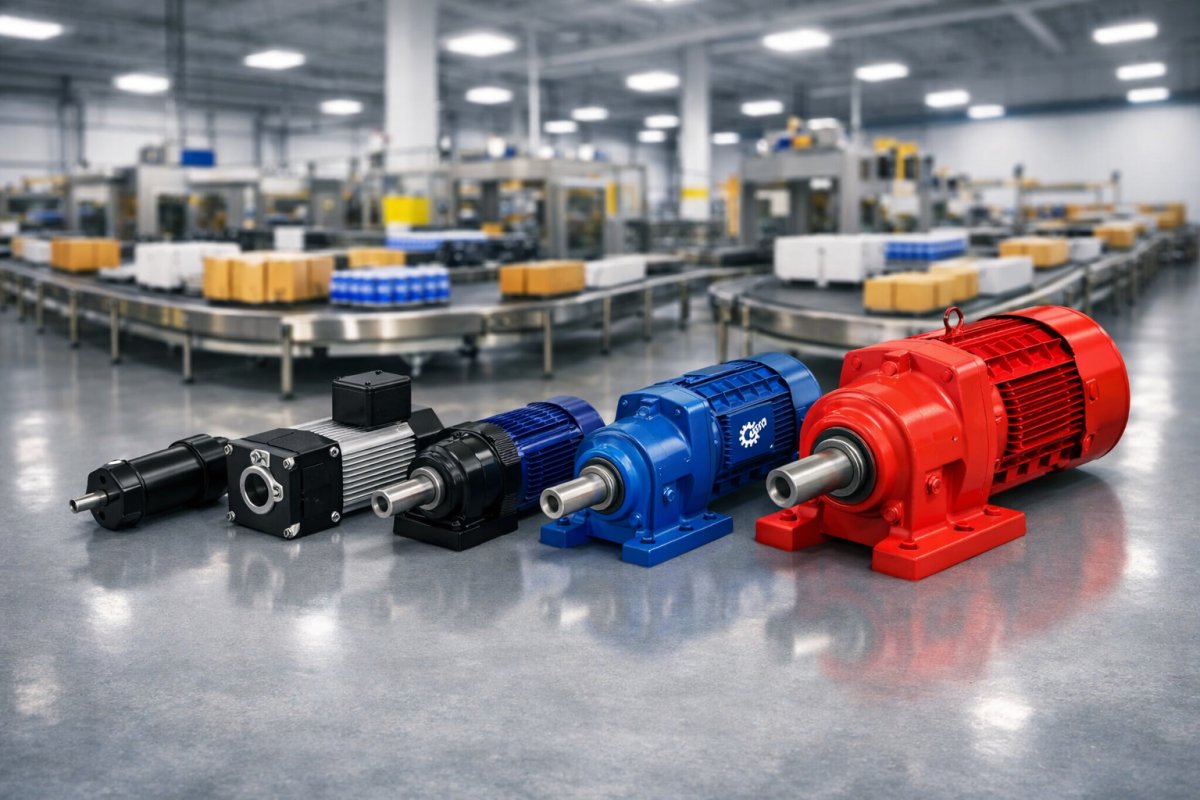
Washdown duty speed reducers are specialized components designed to endure the rigorous demands of industrial environments, particularly those requiring frequent cleaning and sanitation. These reducers are essential in sectors like food processing, beverage production, and pharmaceuticals, where hygiene standards are paramount. By effectively reducing the speed of motors while increasing torque, they ensure that machinery operates smoothly and efficiently, even under challenging conditions.
One critical aspect of selecting a washdown duty speed reducer is understanding its IP rating, which indicates the level of protection against dust and water ingress. For instance, an IP67 rating signifies that the unit is totally protected against dust and can withstand immersion in water up to 1 meter for a limited time. This feature is vital in washdown environments, where equipment is frequently exposed to water and cleaning chemicals, ensuring longevity and reliability.
Material choice also plays a significant role in the effectiveness of washdown duty speed reducers. Stainless steel is the preferred material due to its inherent corrosion resistance, making it suitable for harsh cleaning agents and wet environments. In contrast, other materials may succumb to rust and degradation, leading to potential failures and increased maintenance costs. The corrosion resistance of stainless steel not only enhances durability but also aligns with food safety regulations, making it indispensable in food processing applications.
Key Specifications to Look For
- Output Torque and Load Capacity: Assessing the required torque and load capacity is crucial. Determine the peak loads your application will experience to select a reducer that can handle them without overheating or failing.
- Gear Ratio: Understanding the gear ratio is essential, as it directly impacts the speed and torque delivered by the reducer. A higher gear ratio translates to increased torque but reduced speed, while a lower ratio provides the opposite.
- Mounting Options and Dimensions: Ensure the reducer’s dimensions and mounting options align with your existing systems. Compatibility is key to a seamless integration and optimal performance.
Applications of Washdown Duty Speed Reducers
Industries such as food and beverage, pharmaceuticals, and personal care products commonly utilize washdown duty speed reducers. For example, in the beverage industry, these reducers are employed in bottling lines where equipment must withstand frequent washdowns without compromising performance. Successful implementations can be observed in case studies where companies have enhanced their operational efficiency while adhering to stringent hygiene standards.
For those seeking reliable solutions, explore our wide range of speed reducers tailored to meet the unique specifications required for washdown duty applications.
Comparing Different Models and Brands
In the quest to identify the best washdown duty speed reducer specifications, it is crucial to examine various models and brands that dominate this segment. Reputable manufacturers such as SEW Eurodrive, Nord Drivesystems, and Boston Gear have established themselves as leaders, each offering unique features tailored to specific industrial requirements.
| Brand | Model | IP Rating | Material | Gear Ratio | Price Range |
|---|---|---|---|---|---|
| SEW Eurodrive | R series | IP 66 | Aluminum | 5:1 to 100:1 | $1,200 - $3,000 |
| Nord Drivesystems | Flexbloc | IP 69K | Stainless Steel | 3:1 to 50:1 | $1,500 - $3,500 |
| Boston Gear | Worm Gear Reducer | IP 65 | Cast Iron | 10:1 to 80:1 | $800 - $2,500 |
Each brand possesses distinct advantages and drawbacks. For instance, SEW Eurodrive’s R series is known for its high efficiency and broad range of gear ratios, making it suitable for various applications. However, its price point can be on the higher end, which may deter smaller operations. Conversely, Boston Gear’s worm gear reducer offers a more affordable option, yet it may not deliver the same durability as the stainless steel models from Nord Drivesystems, which excel in environments requiring high corrosion resistance due to their IP 69K rating.
Brand A vs. Brand B: Which One to Choose?
When comparing SEW Eurodrive and Nord Drivesystems, each brand presents a compelling case. SEW’s commitment to innovation is reflected in its advanced features like integrated motors and flexible mounting options. Customer reviews highlight their reliability and performance in demanding environments, although some feedback indicates challenges in customer support responsiveness.
In contrast, Nord is praised for its robust warranty and comprehensive support, appealing to businesses prioritizing maintenance and service quality. Reviews often mention their products’ longevity, which aligns with the washdown duty speed reducer specifications necessary for high-hygiene applications.
Selecting the Right Gear Ratio
The gear ratio plays a fundamental role in determining the speed and torque output of a speed reducer. A lower ratio, such as 3:1, provides higher speed but lower torque, suitable for applications requiring swift motion. Conversely, a higher ratio, like 50:1, delivers greater torque for heavy loads. To select the appropriate gear ratio, consider the specific demands of your application, including load requirements and the operational environment.
Common gear ratios include:
- 3:1 – Ideal for conveyor systems needing speed.
- 10:1 – Commonly used in packaging machinery.
- 50:1 – Suitable for heavy-duty applications like mixers.
Understanding these specifications can enhance operational efficiency and reduce downtime. For further guidance on selecting the right components for your setup, consider visiting Jealco's offerings.
Maintenance Tips for Longevity and Performance
Proper maintenance of washdown duty speed reducers is essential for ensuring both longevity and optimal performance. Adhering to best practices not only minimizes downtime but also enhances the overall efficiency of your machinery. Below are key maintenance strategies to consider.
Routine Checks and Inspections
Regular inspections are crucial to the upkeep of washdown duty speed reducer specifications. Focus on the following components during your routine checks:
- Visual Inspection: Look for any signs of wear, such as cracks or corrosion, particularly on external surfaces.
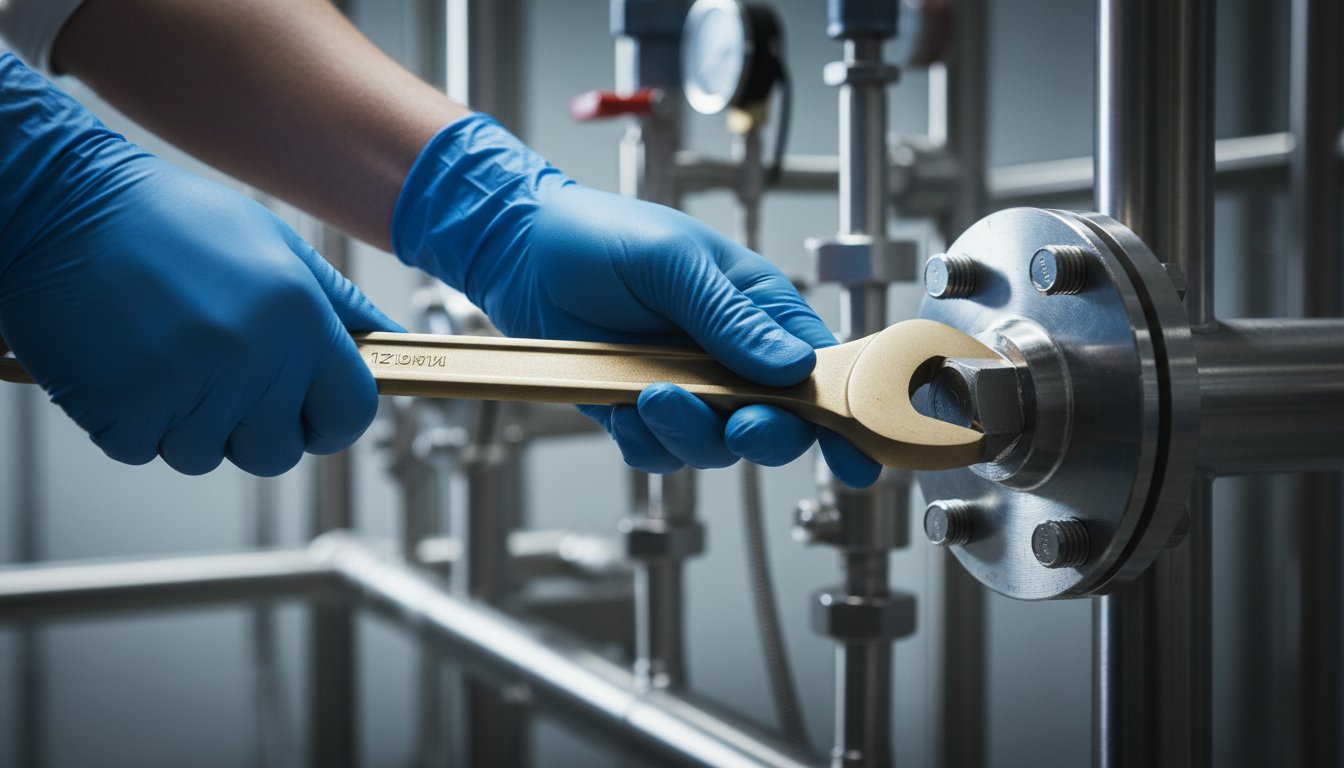
- Connections and Fasteners: Ensure that all bolts and connections are tight and secure to prevent any operational failures.
- Lubrication Points: Check that lubrication points are accessible and free from contaminants.
Cleaning the exterior and interior components of the speed reducer is equally important. Use appropriate cleaning agents that are compatible with the unit's materials, ensuring no residue that may lead to corrosion or malfunction remains. Following the manufacturer's maintenance guidelines will provide a framework for effective upkeep tailored specifically to your equipment.
Maintaining the environment around your equipment is just as vital as the components themselves; for professional cleaning supplies and tools, jracenstein.com offers a range of high-performance solutions for industrial upkeep.
When to Replace Your Speed Reducer
Identifying wear and tear is key to maintaining operational efficiency. Signs that it may be time to replace your speed reducer include:
- Unusual Noises: Grinding or rattling sounds could indicate internal damage.
- Excessive Heat: If the reducer operates at temperatures beyond normal parameters, it may signal impending failure.
- Vibrations: Increased vibrations during operation can be a warning sign of misalignment or internal wear.
Conduct a cost-benefit analysis when considering repairs versus replacement. While repairs might seem less costly upfront, frequent failures can lead to increased operational costs over time. Investing in a new unit can often result in better performance and reduced downtime.
For expert maintenance advice or further assistance, contact us. Our team is committed to providing tailored solutions that ensure your machinery operates seamlessly, reinforcing our dedication to quality and durability in line with washdown duty speed reducer specifications.
Real-World Applications of Washdown Duty Speed Reducers
Washdown duty speed reducers are essential components in various industries, particularly where hygiene and durability are paramount. These reducers are specifically designed to withstand harsh environments, making them indispensable in sectors such as food processing and pharmaceuticals. The implementation of washdown duty speed reducer specifications ensures optimal performance and longevity, significantly enhancing operational efficiency. Below, we explore real-world applications and case studies that illustrate their effectiveness.
Food Processing Industry: A Case Study
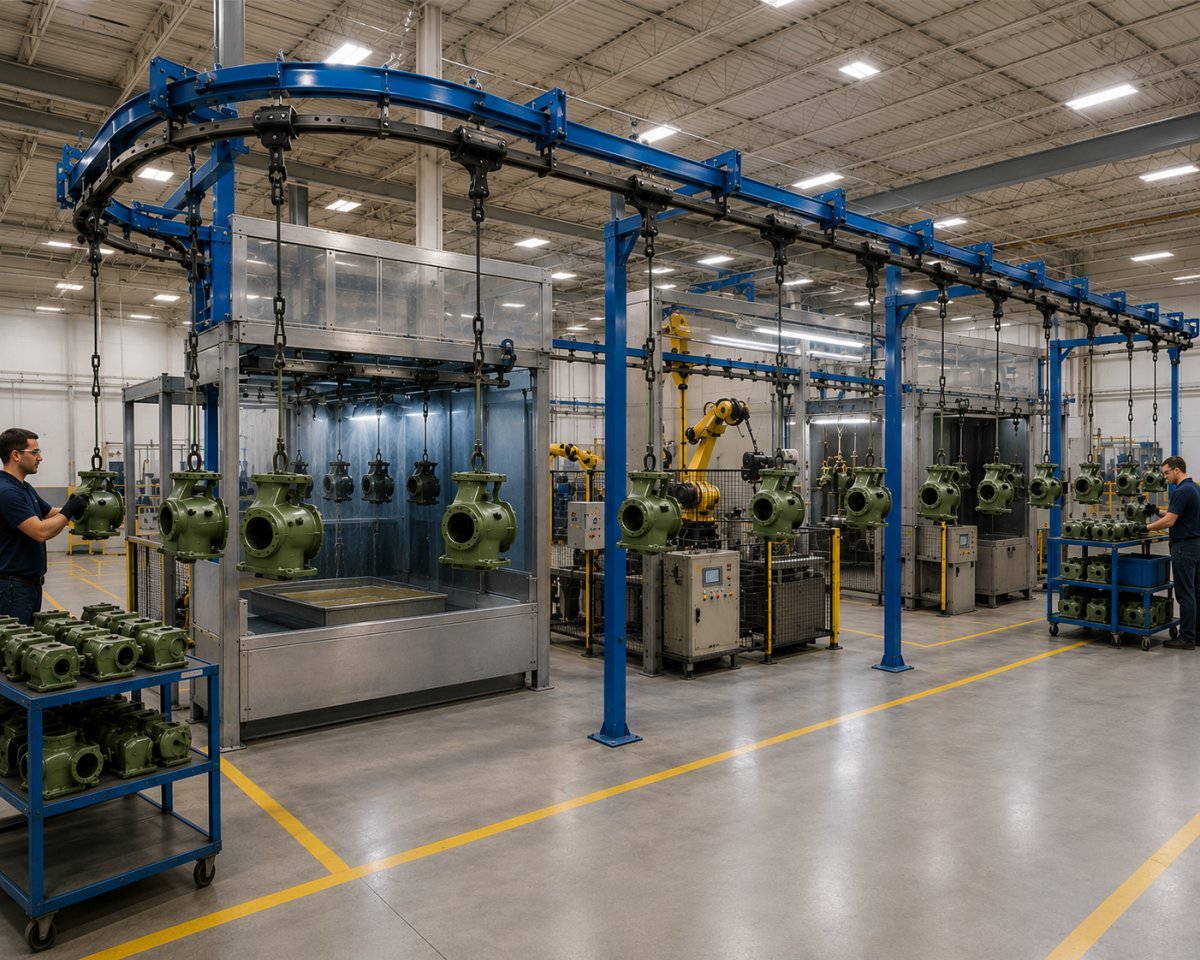
The food processing industry faces unique challenges, including exposure to moisture, chemicals, and high-pressure washdowns. Traditional speed reducers may falter under these conditions, leading to increased maintenance costs and downtime. A notable example involves a large bakery that transitioned to washdown duty speed reducers. Prior to the switch, the facility experienced breakdowns that led to a 20% reduction in production efficiency. After implementing these robust reducers, they reported:
- A 30% increase in operational uptime.
- Significant reductions in maintenance expenses by 25%.
- Enhanced compliance with food safety standards.
This case underscores how washdown duty speed reducers not only address the specific challenges of the food industry but also yield substantial improvements in productivity and cost-efficiency.
Pharmaceutical Applications and Compliance
In the pharmaceutical sector, adherence to stringent hygiene standards is crucial. Equipment must operate reliably in cleanroom environments where contamination risks are high. Washdown duty speed reducers provide a reliable solution, ensuring compliance with regulations such as FDA and GMP. One pharmaceutical company, facing challenges with equipment reliability, opted for high-quality washdown duty reducers. The results were remarkable:
- An increase in equipment lifespan by 40%.
- Reduction in contamination incidents by over 50%.
- Streamlined maintenance processes resulting in a 15% decrease in operational costs.
This transformation highlights the pivotal role that washdown duty reducers play in maintaining compliance while enhancing operational efficiency within pharmaceutical manufacturing processes.
As industries continue to evolve, the demand for advanced washdown duty speed reducers is expected to grow. Innovations in materials and design are paving the way for even more resilient solutions capable of meeting the rigorous standards required across various sectors. By staying ahead of these trends, businesses can ensure they are equipped to tackle the challenges of the future.
For more information on our robust solutions, visit our website.
Conclusion: Making the Right Choice for Your Needs
In summary, selecting the appropriate washdown duty speed reducer is crucial for optimizing performance in demanding environments, particularly within the food processing industry. Throughout this article, we have highlighted essential specifications that should guide your decision-making process, including corrosion resistance, sealing mechanisms, and operational efficiency. Understanding how these factors interplay can enhance reliability and longevity in your machinery.
Firstly, the significance of corrosion resistance cannot be overstated. A speed reducer designed for washdown applications must withstand frequent exposure to cleaning agents and moisture. Utilizing materials such as stainless steel can dramatically improve durability and reduce the risk of failure. Secondly, the choice of sealing mechanisms plays a pivotal role in protecting internal components from contaminants. High-quality seals not only enhance the lifespan of the reducer but also ensure consistent performance, which is vital in a production setting.
Assessing the operational efficiency of speed reducers is equally important. A well-designed unit will minimize energy consumption while maximizing torque output. This efficiency translates into cost savings over time, making it a critical consideration for businesses striving to maintain competitive advantage.
Evaluate Your Specific Needs
It is essential to evaluate your specific needs and applications when selecting a washdown duty speed reducer. Consider factors such as the type of machinery it will be paired with, the environmental conditions it will operate in, and the nature of the material being processed. By aligning your choice with these requirements, you can ensure optimal functionality and reliability.
Make Informed Decisions
By understanding the washdown duty speed reducer specifications discussed, you are better equipped to make informed decisions. Whether you require a unit for a high-speed conveyor system or for a more delicate application, knowing the specifications will help you choose the right product tailored to your operational needs.
For a comprehensive selection of washdown duty speed reducers, we invite you to browse our full catalog. Our extensive range is designed to meet the highest standards of quality and efficiency, ensuring that you find the ideal solution for your industrial machinery needs.
Making the Right Choice for Optimal Performance
Selecting the appropriate washdown duty speed reducer specifications requires careful consideration of three critical factors. First,
Frequently Asked Questions
What is a washdown duty speed reducer?
A washdown duty speed reducer is a specialized gear reduction device designed to withstand harsh cleaning environments often found in food processing and pharmaceutical industries. These speed reducers are typically made from corrosion-resistant materials, such as stainless steel, and are engineered to prevent contamination from cleaning agents and moisture.
How do I choose the right speed reducer for my application?
To select the appropriate speed reducer, consider factors such as load capacity, speed requirements, and environmental conditions. Assess the specific needs of your application, including torque requirements and the need for washdown duty specifications. Consulting with a technical expert can also help ensure that the chosen reducer aligns with your operational demands.
What are the benefits of stainless steel speed reducers?
Stainless steel speed reducers offer superior corrosion resistance and durability, making them ideal for washdown applications. Their robust construction ensures longevity, reducing the frequency of replacements. Additionally, these reducers often have smoother operation, which can enhance the overall efficiency of machinery in food processing environments.
How often should I perform maintenance on my speed reducer?
Regular maintenance of speed reducers is crucial for optimal performance. Typically, a maintenance schedule should include inspections every 3 to 6 months, depending on usage intensity and environmental conditions. Maintenance tasks may include lubrication checks, cleaning, and replacement of worn parts to prevent unexpected failures.
What industries commonly use washdown duty speed reducers?
Washdown duty speed reducers are widely utilized in industries such as food processing, beverage production, pharmaceuticals, and packaging. These sectors often require equipment that can endure rigorous cleaning and sanitization processes while maintaining operational efficiency and safety standards.
Can I use a standard speed reducer in washdown applications?
Using a standard speed reducer in washdown applications is generally not recommended due to the risk of corrosion and contamination. Standard reducers may not have the necessary protective coatings or materials to withstand frequent exposure to water and cleaning agents, potentially leading to premature failure and unsafe conditions.