The Backbone of Industry: What is Material Handling Equipment?
Material handling equipment (MHE) is the essential machinery used in every manufacturing and distribution process. It bridges the gap between raw materials and finished products, forming the physical infrastructure of the supply chain.
The primary goal is simple: move goods safely, efficiently, and at a low cost. To ensure global clarity for all operations, technical specifications are often provided in both Imperial (inches/lbs) and Metric (mm/kg) measurements. (What is Material Handling Equipment?)
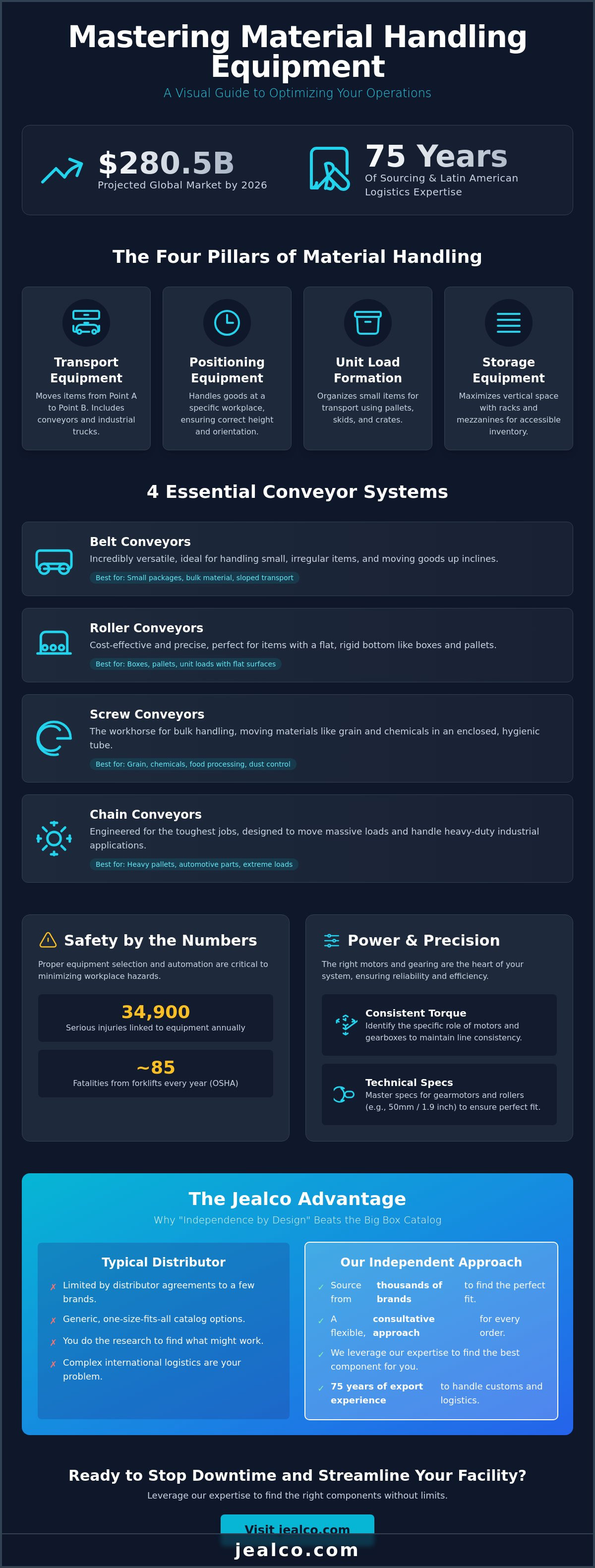
The Four Pillars of Material Handling
Every piece of MHE falls into one of four main categories:
- Transport Equipment: This includes machines that move items from one location to another. Conveyors, cranes, and industrial trucks are common examples.
- Positioning Equipment: This gear handles materials at a single location, such as lift tables, hoists, and balancers that help workers manipulate items.
- Unit Load Formation Equipment: These items are used to group smaller goods into a single, larger unit for easier handling. This includes pallets, skids, and crates.
- Storage Equipment: This category is used for holding materials between processes, such as racks, shelves, and mezzanines that maximize vertical space.
Why Efficiency Matters for Your Bottom Line
Investing in the right material handling equipment directly impacts profitability. Strategic automation can reduce manual labor costs and improve throughput. More importantly, it enhances worker safety by minimizing heavy lifting and repetitive strain.
Effective MHE also maximizes floor space with smart solutions like overhead conveyors and vertical storage, allowing you to do more with the facility you have.
Moving Goods Effectively: 4 Essential Conveyor Systems
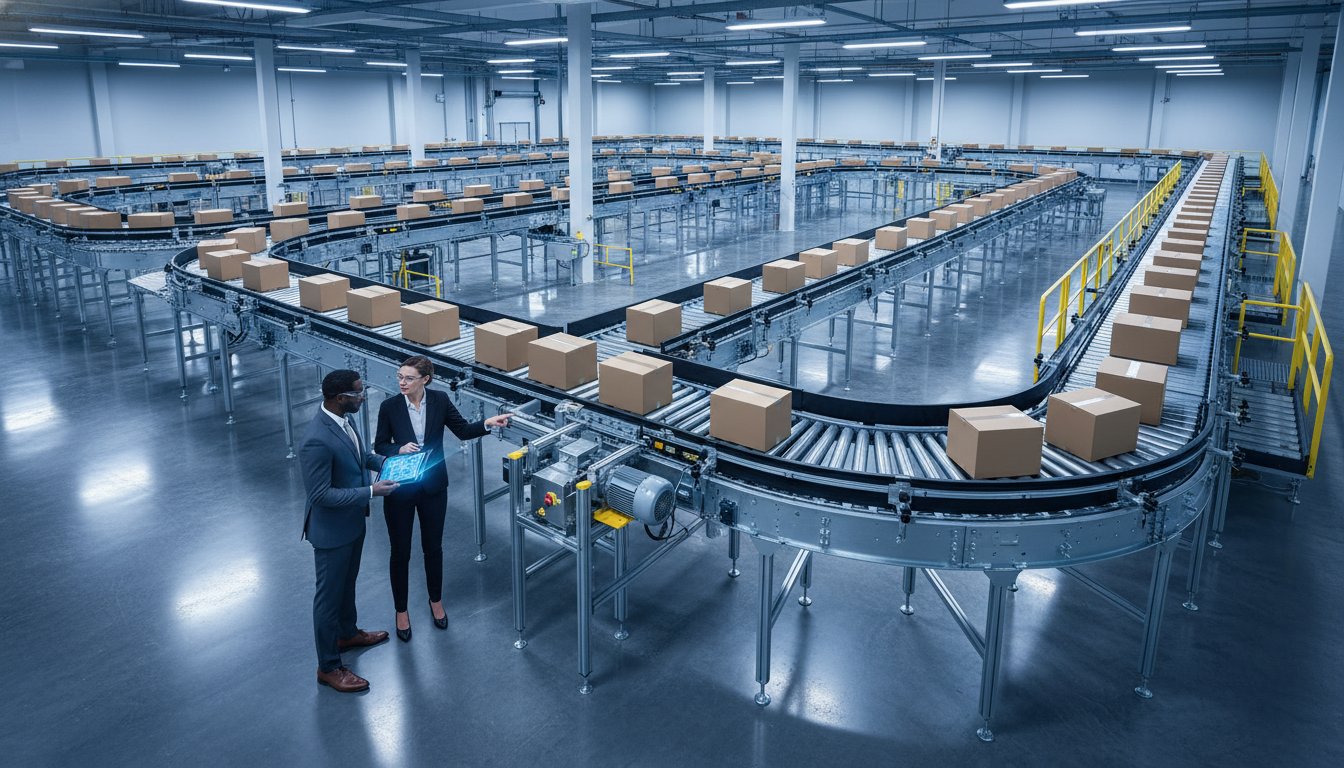
Conveyors are the circulatory system of a warehouse or plant, providing a constant flow of materials. Choosing the right system is critical and depends on the product's weight, size, shape, and the operational environment.
Belt and Roller Conveyors
These two systems are among the most common in the industry. (designing a cost-effective material handling system)
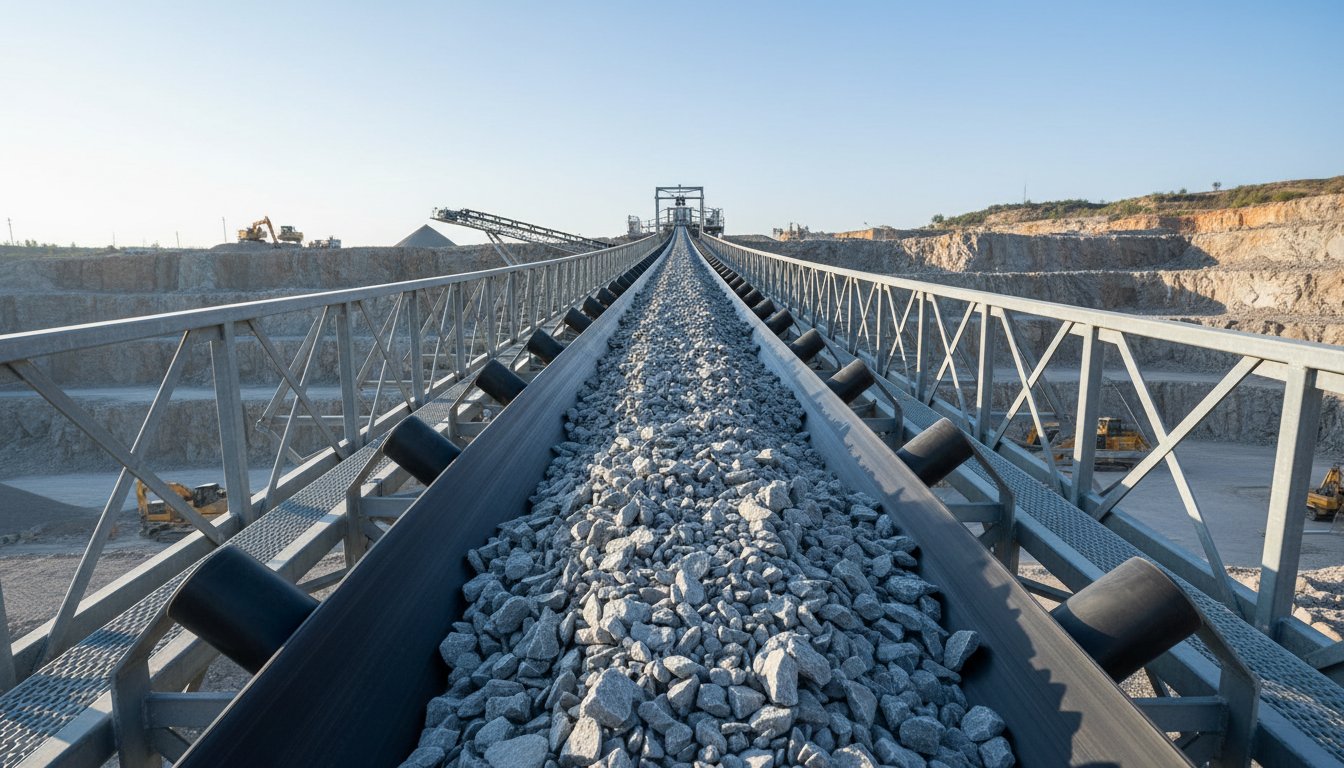
- Belt Conveyors: A continuous belt provides a smooth surface ideal for moving small, loose, or irregularly shaped items. They are also excellent for incline or decline transport. For abrasive materials like stone or sand, specialized heavy-duty conveyor belting is necessary.
- Roller Conveyors: These use a series of rollers to move packaged items like boxes, totes, and pallets. They can be powered for constant speed or use gravity to move items along a decline.
Screw and Chain Conveyors
For more demanding applications, screw and chain conveyors offer robust solutions.
- Screw Conveyors: Also known as auger conveyors, these are the standard for moving bulk materials like grain, powders, and chemicals. A rotating helical screw blade moves material within a tube or trough.
- Chain Conveyors: Built for the heaviest loads that would destroy a standard belt, such as pallets or industrial containers. They provide a durable, reliable transport method for rugged environments. For vertical bulk transport, these systems are often paired with elevator buckets.
Powering the System: The Role of Motors and Gearing
A conveyor system is only as reliable as the components that drive it. The motor, speed reducer, and gearing form the heart of any automated MHE, and matching their specifications to the load is crucial for preventing system burnout and downtime.
AC vs. DC Industrial Motors
The choice between an AC (Alternating Current) and DC (Direct Current) motor depends entirely on the application's needs. (Material Handling Industry (MHI))
- AC Motors: These are the workhorses of the industry, known for their durability, low maintenance requirements, and cost-effectiveness in standard, fixed-speed operations.
- DC Motors: When an application requires precise speed control or high starting torque, DC motors are the ideal choice. They offer a level of variable control that AC motors cannot easily match. For a deeper look, see our guide on AC vs. DC industrial motors.
Gearing and Mechanical Components
Small parts play a big role in preventing catastrophic failures.
- Speed Reducers: These are essential for managing the motor's output. They reduce speed while increasing torque, which is critical for getting a heavily loaded conveyor moving without stressing the motor.
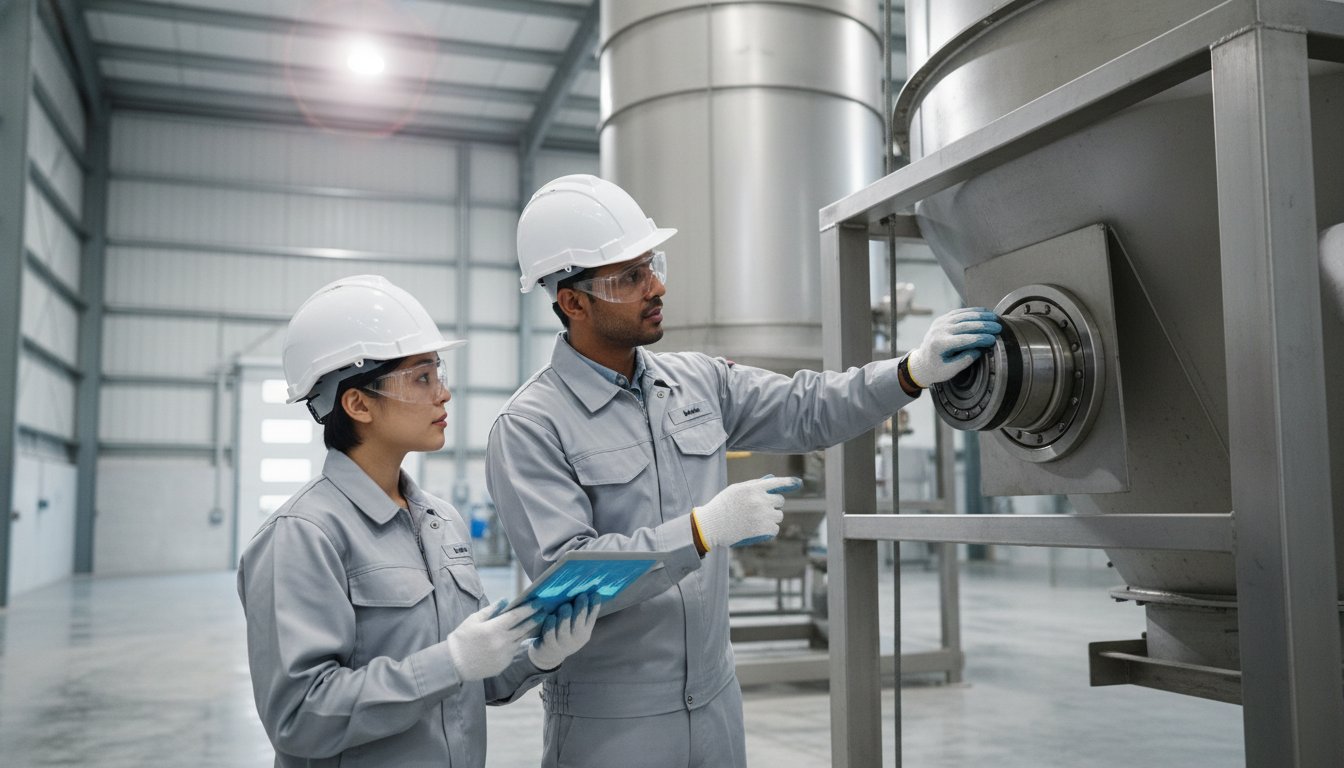
- Bearings and Couplings: Industrial bearings allow for smooth rotation, while shaft couplings connect the motor to the gearbox. High-quality components in these roles are a small investment that prevents major breakdowns.
How to Choose the Right Equipment for Your Facility
Proper equipment selection should always start with the material being moved, not the machine itself. Before looking at catalogs, assess your load: Is it fragile, heavy, bulk, or palletized? Consider your environment as well—a food processing facility with wash-down requirements needs vastly different equipment than a dry parts warehouse.
A 5-Step Selection Framework
Follow this simple framework to guide your decision-making process:
- Calculate Load: Determine the maximum weight and dimensions (L x W x H) of the products you need to move.
- Determine Throughput: How fast do you need to move items? This is often measured in feet/meters per minute or units per hour.
- Map Your Space: Measure your available floor and ceiling space, noting any columns, turns, or elevation changes the equipment must navigate.
- Identify Power Requirements: Check your facility's available power, including Voltage, Phase, and Hz, to ensure compatibility.
- Plan for Maintenance: Consider the availability of spare parts and the expertise required for routine maintenance to ensure long-term reliability.
International Export and Logistics Expertise
Exporting heavy material handling equipment involves more than just shipping. It requires a deep understanding of international freight, customs documentation, and regional regulations. Working with a distribution partner with a long history of global shipping can prevent costly delays and ensure your equipment arrives cleared and ready for operation.
Why Independence by Design Beats the Big Box Catalog
Many industrial distributors are locked into contracts that limit them to selling specific brands. This can force you into a solution that is "good enough" rather than one that is perfect for your application. An independent sourcing model offers a significant advantage.
Our "independence by design" philosophy means we are not tied to any single manufacturer. We source from thousands of brands to find the exact component or system you need.
Custom Sourcing and Small Order Flexibility
We built our business by serving mid-market customers who need personalized service, not a chatbot. For 75 years, our family-owned approach has focused on finding the right fit, whether it's a single custom sprocket for an older machine or designing a complete conveyor system from scratch.
This consultative approach saves you money on the total cost of ownership by ensuring you get durable, reliable equipment that is perfectly matched to your needs.
Building a Long-Term Partnership
We don’t just sell parts; we help you design for the future. Our goal is to be a long-term partner in your success, providing the technical advice and sourcing expertise to keep your facility running efficiently.
Ready to find the right material handling equipment for your operation? Browse our online catalog or contact us for a custom quote today!